
PRINCIPAIS PLATAFORMAS DE APOSTAS NO BRASIL
AS PRIMEIRAS PLATAFORMAS DE APOSTAS BRASILEIRAS EM 2025. OBTENHA SEU BÔNUS EXCLUSIVO AQUI!
Plataformas Autorizadas no Brasil

Aposte com Confiança

Transações Financeiras Eficientes
How to compare payout methods
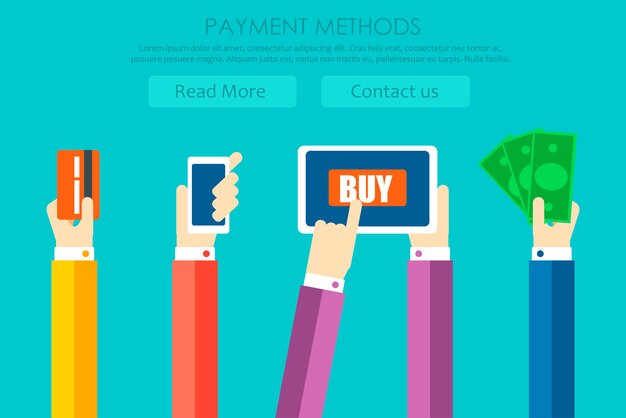
Prioritize flexibility and low fees when selecting payout methods to enhance your financial outcomes. Various payout options, such as bank transfers, e-wallets, and cryptocurrency, offer distinct advantages that can significantly impact your bottom line. For instance, e-wallets often present quicker transaction times, which can facilitate immediate access to your funds. Understanding the nuances of each method allows you to tailor your approach to align with your specific needs.
A escolha da plataforma de apostas certa pode influenciar significativamente sua experiência e resultados financeiros. Em 2025, as melhores plataformas no Brasil estarão focadas em oferecer não apenas uma variedade de métodos de pagamento, mas também condições favoráveis, como bônus exclusivos e segurança aprimorada. Ao avaliar suas opções, considere fatores como taxas, tempos de processamento e medidas de proteção contra fraudes. É essencial ficar atento às novidades do mercado e às análises de usuários para fazer a escolha mais informada. Para um guia detalhado sobre as melhores plataformas, confira plazaroyal-casino.com e otimize suas apostas.
The selection of payout methods should also consider security features. Choose methods that incorporate robust encryption and fraud protection to safeguard your assets. Pay attention to platforms that have a proven track record of reliability and strong customer service, ensuring support in case of any issues. Comparing these factors can help you build a secure and efficient payout strategy.
Finally, analyze withdrawal limits and processing times across different payout options. Certain methods may restrict the amount you can withdraw at once, which could delay fund access. By carefully evaluating these parameters, you can select options that maximize your convenience and financial benefits, ultimately enhancing your overall experience.
Understanding Different Payout Methods and Their Features
Assess the suitability of each payout method based on your needs. Bank transfers provide security and are widely accepted, but they can take longer to process. Credit cards offer instant access to funds, although they might come with transaction fees. E-wallets like PayPal and Skrill are convenient for speed and ease of use, often appealing to users who prefer online transactions.
Consider mobile payment options such as Venmo or Cash App. They facilitate peer-to-peer transactions, enabling quick transfers without needing a bank. However, remember that availability can vary by location. Cryptocurrency payments have gained traction due to their anonymity and low fees, but volatility can pose risks.
Look into prepaid cards if you want control over your spending. These cards allow you to load a specific amount, providing a budget-friendly option. Regular cash withdrawals can be beneficial for those who prefer tangible money, but managing large amounts can be cumbersome.
Understand the fees associated with each method. Some e-wallets charge for receiving funds, while credit card transactions may incur higher charges compared to bank transfers. Always review the terms and conditions before choosing a payout method to maximize benefits.
Compatibility with your financial goals is key. Choose the method that aligns with your cash flow needs, security preferences, and convenience. Research user experiences and reviews for each payout method to inform your decision. Make a choice that enhances your financial management effectively.
Assessing Fees and Costs Associated with Each Option
Evaluate transaction fees for each payout method. Credit card transactions typically incur around 2.5% to 3% fees, while bank transfers or ACH payments often have lower or no fees, depending on the provider. Investigating these costs in detail could save you a significant amount over time.
Examine withdrawal fees. Some platforms may charge for cashing out. For instance, e-wallets might charge to per withdrawal, while checks could incur higher fees, including postage. Compare these charges to identify which options keep more money in your pocket.
Check for monthly maintenance fees. Choose methods that do not impose ongoing costs. Some bank accounts and e-wallet services may have such fees, which can impact your bottom line if you’re not actively using the account.
Assess the currency conversion fees if you operate internationally. These fees can range from 1% to 5% depending on the payout method. If you frequently deal with different currencies, selecting a service that offers competitive conversion rates could enhance your overall savings.
Review processing times. While some methods promise instant withdrawals, others may take several days. Delayed access to funds could effectively reduce their value. Factor in your immediate cash flow needs when evaluating the appeal of quicker withdrawal options against their associated fees.
Look for potential hidden costs. Some services offer low headline fees but might have additional charges for specific transactions. Always read the fine print and consider all costs involved before making your decision.
Evaluating Speed and Reliability of Payout Transactions
Assess payout methods based on transaction speed and reliability metrics. For immediate accessibility, prioritize options with quick processing times, ideally within 24 hours. Common fast options include e-wallets like PayPal and digital currencies. Bank transfers are reliable but may take several days to reflect in accounts.
Analyze transaction failure rates. Look for providers with less than 1% failure to ensure higher reliability. Evaluate user reviews for real-world experiences related to transaction delays and failed payouts. This data can reveal important insights into the dependability of different services.
| Payout Method | Typical Processing Time | Transaction Failure Rate | Availability |
|---|---|---|---|
| E-wallets (e.g., PayPal) | Instant - 24 hours | Below 1% | Global |
| Bank Transfer | 1 - 5 business days | 1% - 3% | Varies by country |
| Cryptocurrency | Minutes to hours | Varies by network congestion | Global |
| Checks | 5 - 10 business days | Uncommon but possible | Local only |
Ensure the provider offers tracking capabilities for completed transactions. This feature adds transparency and trust, enabling users to verify the status of their payouts. Consider customer support availability for resolving any issues that may arise during the payout process.
Regularly review the chosen method's performance over time to adapt to any service changes or emerging alternatives. Staying informed helps maintain optimum payout experiences while avoiding potential disruptions.
Comparing Security and Fraud Protection Features
Choose payout methods that prioritize robust security measures. Look for options offering two-factor authentication (2FA) to add an extra layer of protection during transactions. This feature requires users to verify their identity through a secondary device, significantly reducing the risk of unauthorized access.
Assess the technology behind the payment method. Encryption protocols, such as SSL (Secure Socket Layer), should be standard. SSL encrypts data during transmission, making it nearly impossible for attackers to intercept sensitive information. Ensure the payout provider discloses their encryption practices clearly.
Review the fraud detection mechanisms in place. Some services use machine learning algorithms to identify unusual transaction patterns, flagging potentially fraudulent activities in real-time. Opt for providers that regularly update these algorithms to adapt to new threats.
Consider customer support response times during a security incident. Look for payout methods with 24/7 support that can quickly address your concerns. Prompt assistance can minimize damage in case of a security breach.
Check for liability policies. Trusted providers often have fraud protection policies that cover unauthorized transactions. Ensure you are informed about your rights and the extent of the provider's responsibility in the event of fraud.
Read user reviews focusing on security experiences. Real feedback can provide insights into how effectively a provider handles security issues and supports its users during incidents. Choose payout methods with positive reviews in terms of responsiveness and resolution of security concerns.
Lastly, evaluate compliance with industry standards. Providers adhering to regulations such as PCI DSS (Payment Card Industry Data Security Standard) demonstrate a commitment to maintaining high security levels. This compliance helps ensure that your payments are processed securely and responsibly.
Analyzing User Experience and Accessibility of Payout Methods
Evaluate the user interface of each payout method. A clean, intuitive layout attracts users and encourages seamless transactions. Focus on methods offering mobile-friendly experiences, as a growing number of users conduct transactions via smartphones. Ensure easy navigation and quick access to key features like transaction history, balance inquiries, and support options.
Consider the onboarding process. A straightforward registration process minimizes user frustration. Look for payout methods requiring minimal information upfront, allowing users to start quickly. Detailed walkthroughs or tooltips can enhance understanding during registration.
Accessibility plays a significant role in user satisfaction. Check if payout services comply with accessibility standards, such as WCAG. Features like screen reader support and keyboard navigation are necessary for users with disabilities. Include voice command functionality for a hands-free experience.
Evaluate the availability of customer support. Payout methods offering 24/7 support through multiple channels like chat, email, and phone are preferable. Quick response times and helpful representatives contribute to a positive user experience.
Test the speed of transactions. Ensure payout methods deliver timely transfers, as delays can frustrate users. Provide users with estimated processing times during transactions to set expectations clearly.
Gather user feedback periodically to refine offerings. Surveys can flag pain points users encounter, enabling ongoing improvements. Monitoring social media channels for unsolicited feedback can also provide insight into user experiences.
Lastly, provide comprehensive educational resources. Offering video tutorials, FAQs, and detailed guides about using payout methods helps users feel confident and informed. Ensure this information is easy to find within the service.
Identifying Best Payout Methods for Specific Needs
Choose payment methods based on transaction volume and frequency. For frequent small transactions, consider e-wallets like PayPal or Skrill due to their quick processing times and lower fees. For large transactions, bank transfers provide security and are generally preferred despite higher costs.
Evaluate audience preferences as well. Younger consumers often favor mobile payment options such as Venmo or Cash App, while older demographics might lean towards traditional methods like checks or direct bank deposits. Adjust your method according to your target group for better engagement.
Assess the international dimension of your business. If you cater to an international audience, platforms like TransferWise or Payoneer offer competitive exchange rates and lower fees for cross-border transactions. These services enhance your appeal in various markets.
Consider security measures alongside convenience. Use payout methods that offer fraud protection and buyer/seller guarantees. This extra layer of security can significantly boost customer confidence and loyalty.
Test various methods. Monitor how different payout options perform in terms of speed, user satisfaction, and overall costs. Collect feedback from users to refine your choices, ensuring you maximize both efficiency and user experience.